Sport
The Cost of Playing: How Money Decides Who Gets to Be an Athlete
When Janet couldn't afford the rising fees for her daughter's basketball team, she had to make a tough choice. "She just loved it," Janet recalls, "but I had to take her out.
Janet's story reflects a broader trend in youth sports in wealthy nations. In 2024, the average sports family in the United States alone spent $1,016 on their child’s primary sport, a 46% increase compared with 2019. In total, parents are estimated to spend over $40 billion annually on children’s sports activities.
This exorbitant financial commitment to enable a child's passion often leads to exclusions based on family income. Children from affluent households are far more likely to participate in sports than their low-income counterparts, further entrenching real-life inequalities with the participation cliffs.
When “Just Playing” Costs $1,000 a Year
In 2024 alone, parents in the U.S. spent roughly $1,016 on average for one child per sport, according to the Aspen Institute's Project Play. That's up from $883 spent on the child's primary sports in 2022, and the "average" is just that - the median American family spends significantly more.
The Aspen Institute reported that parents in the highest-income households ($100,000+ annually) spent about $1,590 per year on youth sports, while the next tier ($50,000-$99,999) spent about $961. And for those below $50,000, the expense was a mere $604.
That discrepancy is stark. On average, high-income families shell out nearly three times as much on kids’ sporting activities, which just widens their lead in access that ties opportunities to a parent’s wallet.
The costs are not just American. In Australia, the average annual outlay for a child's sport participation hovers around A$1,000, the Australian Sports Commission reported. This total tallies registration fees, equipment, and other expenses, with the costs being particularly burdensome for low-income families.
The Hidden Ledger: Where the Money Goes
Beyond the Core: The base number above does not capture the breadth of expenditures that delineate being a squirt or little league team parent.
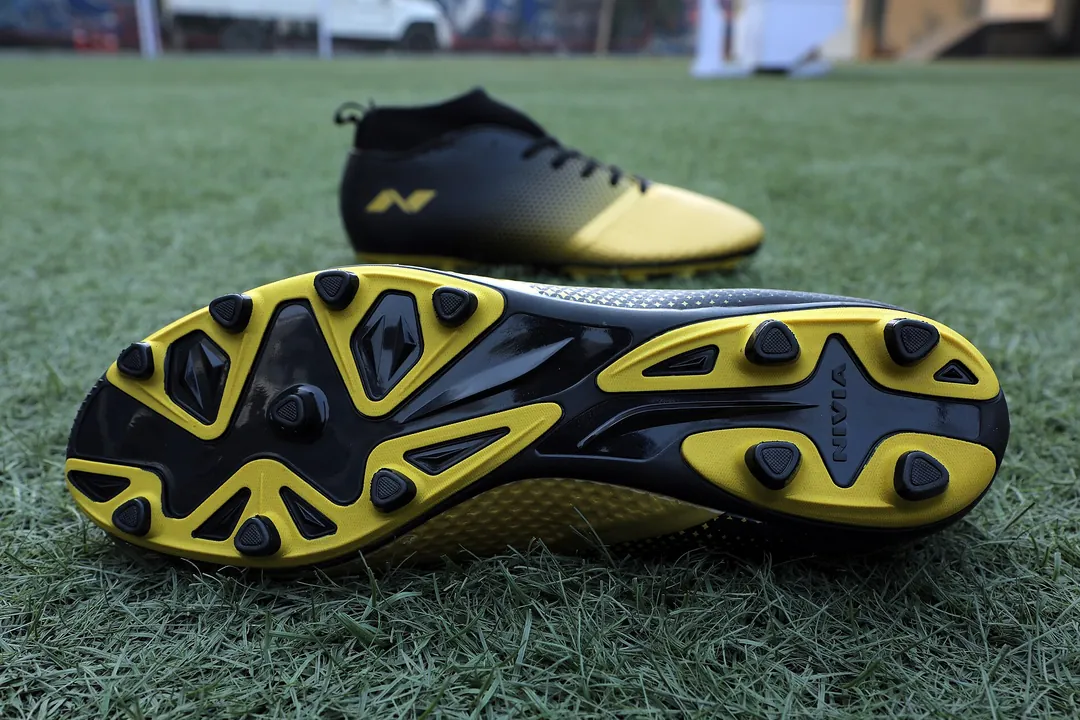
The average family in the U.S. laid out $260 on travel per sport per child per year, according to the Aspen Institute. That's compared to $154 on equipment, $168 on registration fees, $183 on private lessons, and $111 on camps.
And those who opt for competitive programs in particular sports sometimes pay a premium. A single youth sport like baseball, for example, can cost between $3,000 and $7,000 annually, according to the National Council of Youth Sports.
Taking the sport to a higher level can be pricey. A sports medicine review reports that many families cannot afford the expenses which commonly total over $1,000 per year for the opportunity.
Who Gets Priced Out: Income and the Participation Gap
This rising financial cost quickly prices-out those from lower-income brackets. Children from families earning less than $25,000 a year participated in sport at about 25% in 2022, according to an Education Week report. But among those who earned over $100,000, the rate was 39%.
Furthermore, youth participation in organized sports is significantly lower among those in poor households, dropping from 38% in 2012 to 27% in 2022. For their high-income peers, participation stayed relatively steady over the same period. This trend shows a widening economic divide where higher-income children maintain consistent levels of participation while their low-income counterparts see a sharp decline.
Worse, economic instability means that parents may feel compelled to remove children from sport as other expenses push them out. 63% of parents pay between $1,200 to $6,000 per year for youth sports participation, and nearly 1 in 5 parents paid more than $12,000, according to parent survey cited in a medical review.
This burden weighs particularly heavily on the poorest. The Aspen Institute’s data shows that children from low-income households quit organized sports due to financial costs at six times the rate of their high-income counterparts.
From Opportunity to Inequality: Health and Access Concerns
This financial exclusion has serious implications on those with less buying-power. Most obviously, it means fewer access to the fitness, developmental opportunities, and community connections that come with sports participation.
A 2019 RAND Corporation study of about 2,800 parents, school administrators, and community sports leaders found that financial costs and time commitments, such as transportation and volunteering, are key barriers to sports participation for middle and high school students. Unfortunately, these disparities stretch beyond the immediate benefits of sports, contributing to lasting socio-economic and health divides.
At its core, it means undue costs limiting life-enhancing participation. But there are complications in getting kids enough support to get started and complete it. Luckily many parents are hopeful, so the challenge is providing sport supports early enough to keep them around.
What Needs Proving: Cost‑Reducing Models That Actually Work
This is very much still an open area of research. We know what the problem is, but we very much do not know how this problem is best solved. Some have spoken of caps on fees, better transportation options, and equipment grants as solutions, but the data on what works in practice is very thin. Without showing numbers, showing how they fix the problem, we wouldn't want to imply that these ideas worked.
Community leagues place a spotlight on breaking down the financial barriers associated with youth sports by offering affordable and accessible opportunities for young athletes. By prioritising inclusion and providing support to those from lower-income backgrounds, these leagues help ensure that every child has the chance to participate, develop, and have fun.
While the cost issue is clear, documented solutions are not. We've heard of things like fee-capped leagues and equipment sharing, but specific successes of these are not verified. So we've left this for you to watch, and consider on how it affects you and your favorite players out there.