Arts
Reading Aloud to Children Benefits Their Development More than Most Interventions
Reading aloud and sharing stories with young children offers measurable gains in language, cognitive, and social-emotional development—effects comparable to many other early years interventions, according to a review of recent studies.
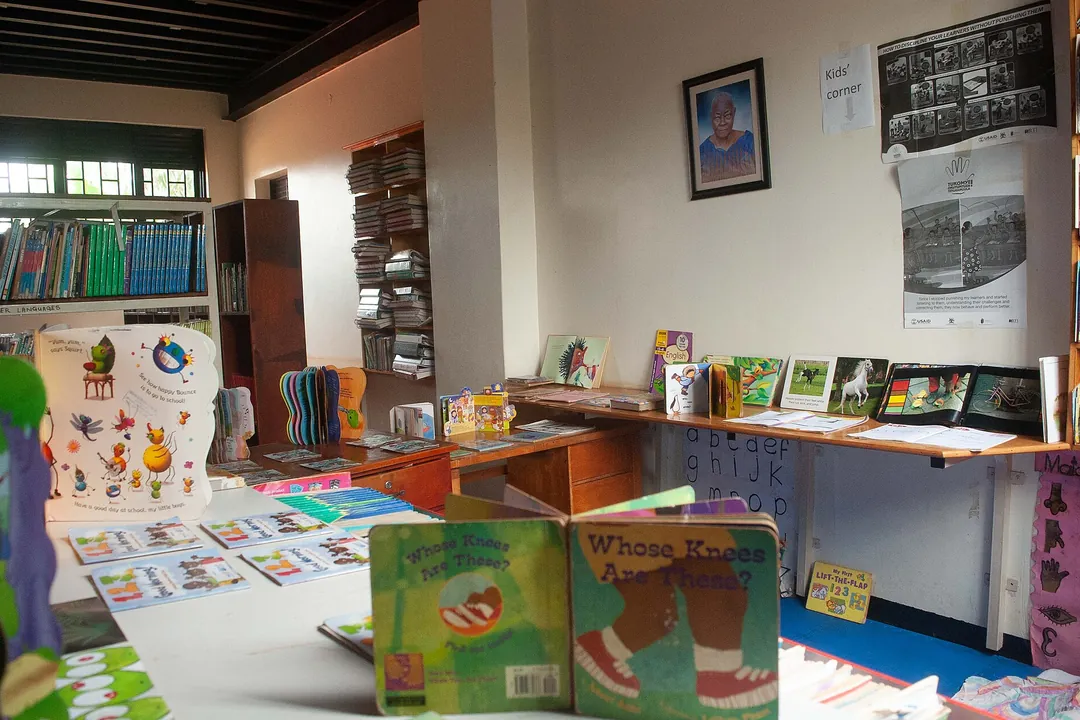
Most significant, reading aloud confers benefits across a range of education levels, incomes, and backgrounds, with benefits seen in receptive vocabulary, working memory, and IQ—effects driven by the frequency and quality of reading interactions.
In a cluster randomized controlled trial of a parent-child reading aloud program for low-income children in Northern Brazil, children in the intervention group scored significantly higher than controls on receptive vocabulary (Cohen’s d = 0.33), working memory (d = 0.46), and IQ (d = 0.33). Follow-up analysis showed the reading-aloud group children also had significantly higher self-regulation (Cohen’s d = 0.25).
These gains were mediated by improved parent-child interactive reading and increased cognitive stimulationin reading-aloud households, according to the researchers. While the strongest vocabulary impacts were seen in children of less-educated parents, effects were significant across family education levels.
The American Academy of Pediatrics (AAP), which has framed shared reading as an essential component of primary care, notes that engaging with books and stories from infancy "stimulates optimal patterns of brain development, strengthens parent-child relationships, and builds language, literacy, and social-emotional skills that last a lifetime."
This is borne out by the cumulative American evidence. Reading improves children’s language development by increasing the amount of language they hear, building vocabulary, advancing comprehension, fostering critical thinking, and providing social and emotional support, researchers report. A 2022 systematic review reported that large, statistically significant relationships exist between shared reading and developmental outcomes (r = 0.303), language outcomes (r = 0.381)
Research on oral storytelling within the parent-child relationship reports that oral storytelling (stories told aloud without text) has been shown to enhance emergent literacy and language development in young children, functioning as a culturally embedded practice that supports narrative skills and vocabulary.
Surveys have found a majority of parents saying reading aloud together was important to their children’s language fluency, development of imagination, and love of reading.
But while many parents see the value, of children under 5 are read to daily, and the rate decreases further as children get older. That's a problem, because.
"The skills children learn from shared reading—the ability to sit still, focus, listen, and understand the story—extend way beyond literacy, says, the AAP notes that "relationships between shared reading exposure and brain structure and function have been demonstrated across early childhood, and even in utero."
"Even a few minutes a day really adds up," says. "The ideal is to do it every day, to make it a part of your routine, even in busy families. It's good for brain development, but also so important for relationship building and for making children feel understood, seen, and heard."
At a time when parent-child reading rates have [lost, pending updated data], understanding the mechanisms and impact of this simple, equipment-free intervention could help keep families reading together, even as children develop and parent time becomes more limited. Like other physical activities, pushing through the cognitive and emotional work of reading at first may create momentum for long term reading.