Arts
How to Look at a Child's Drawing Without Ruining It
A child’s drawing is a developmental act first, a picture only second. Whether it’s a scribble, a shape, or an early figurative effort, the important thing is to meet it where it is.
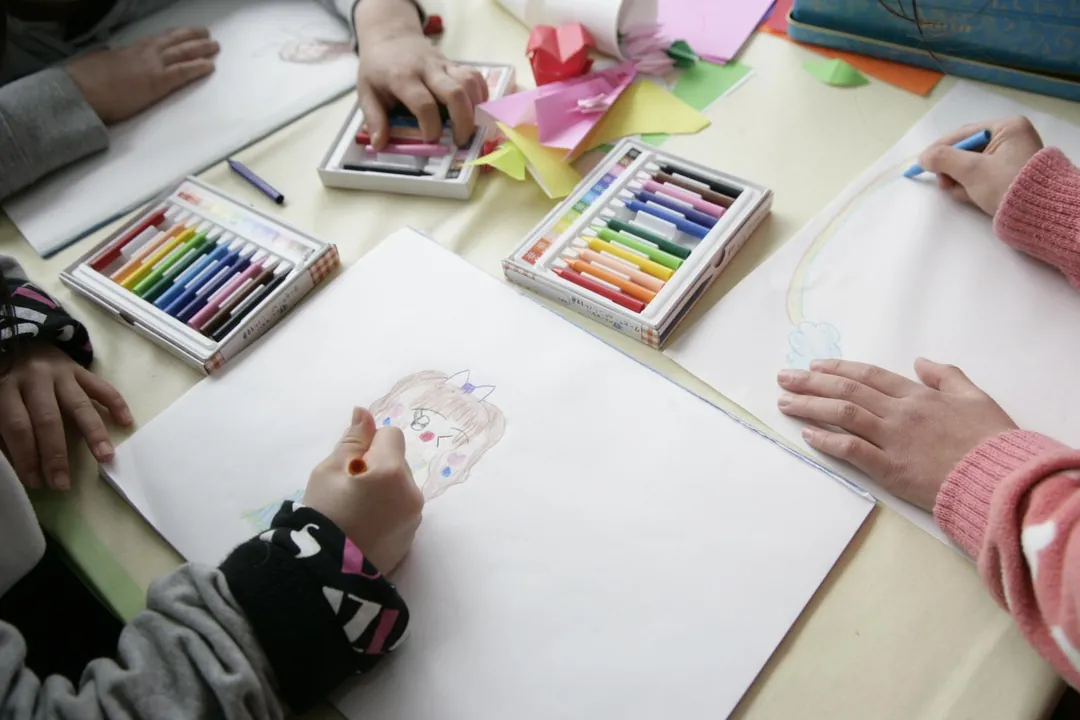
Children’s drawing develops in stages, from early random marks to more intentional lines and shapes, before arriving at pictures of objects or people. The development agency Zero to Three says the stages are Random Scribbling (15 months to 2½ years), Controlled Scribbling (2 years to 3 years), Lines and Patterns (2½ years to 3½ years), and Pictures of Objects or People (3 years to 5 years).
CYC-Net, a child and youth care research network, identifies the key stages as Scribble, Schematic, and Realistic or True-to-Appearance, and places these across a broader age range of roughly two to fourteen or more years. The first, major stage is the Scribblestage.
What do these stages mean in practice? For young children, a drawing is a way to make marks and create movement. The lines, swirls, and pattern-makings in early drawings represent a different kind of intention from an adult’s recognised representational art.
The Tasmanian Department of Educationsays up to around 2 years of age children make scribbles. Building on these could be lines and other early shapes. In the drawing progression, from birth to around a year and a half, children are practicing their motor skills and motor planning. As the University of Wisconsin-Madison's Rebecca Stolleyframes it, this early work in drawing is best understood as staged visual expression. Drawing development, Stolley argues, shows children’s growth through staged visual expression, not adult-style representation.
Parents and caregivers can easily misfire in their initial reaction. Nationwide Children's advises being mindful of your reaction, because children are exceptional at reading parents’ cues. Rather than interpret the drawing, they urge “Start a conversation: Rather than interpret the drawing, be curious with them about what their picture means.”
The School for Young Artists suggests “Act as a mirror; reflect what is observably true”and to “Allow yourself to be curious.”Kiam Studio advises don’t assume you know the subjectand talk about the processin making the art. Rather than guess, they say, focus on details rather than meaning. Megan Leigh Acosta recommends being an active observerand asking questions like “Can you tell me about this line/shape/colour?”and “What was your favorite moment when you were making this?”
So what’s the best way to respond? Instead of “what is it?”, try these three questions:
1. “What was your favorite part to make?”This question gets to the experience of the artist at work, opening a discussion of what techniques the child enjoyed using or what challenges they met.
2. “Tell me about this colour… line… shape.”Rather than guess the meaning, ask the child to show you. Details, not generalities, will give you the most insight.
3. “What was happening when you made this drawing?”This question grounds the interaction in the child’s context. It’s about you meeting their narrative, not you imposing your idea of representation.
What’s the core of a good reaction? The guidance says simply: stay quiet, stay curious, ask questions, and act like a mirror. Act as an observer first. Let the child tell you about their work.
Finally, the adult should remember the frame: these drawings are developmental acts. Your job is observeand reflectthe work as you see it, not diagnoseor correctthe meaning.