Protection
Child Labour Laws: At What Age Can Children Legally Work?
When is children's work ok, and when is it exploitation? This article explains the legal boundaries between chores, acceptable light work, and prohibitions on hazardous and exploitative labour under age 18.
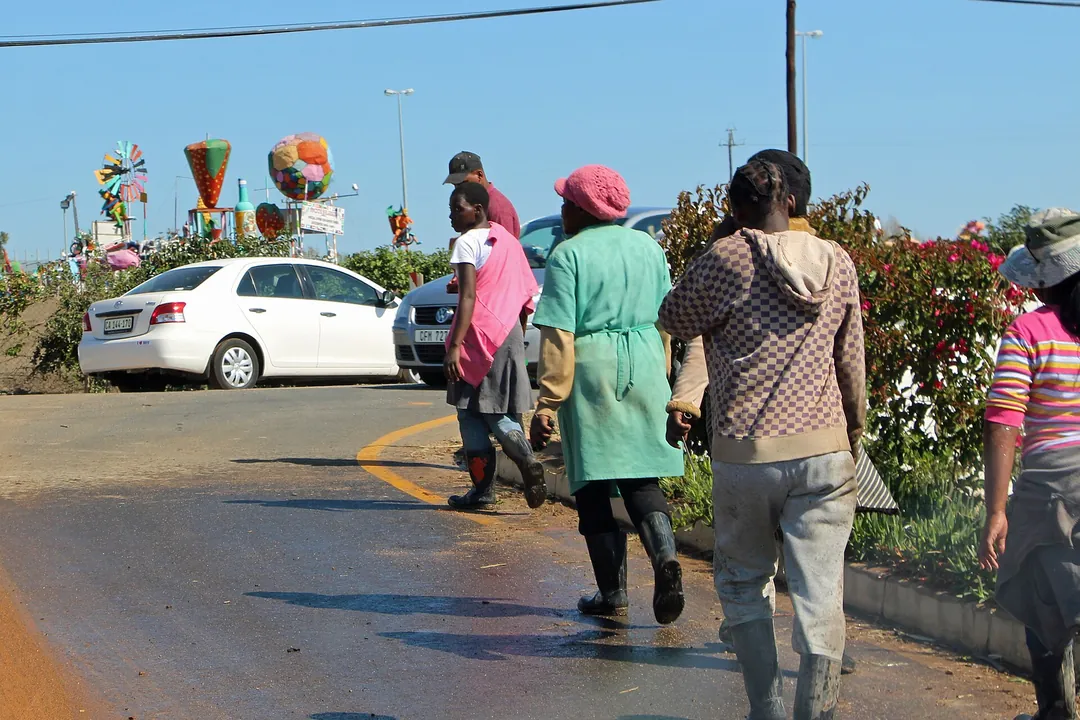
The global backbone of child labour law sets clear age brackets and definitions. Hazardous work is banned for all children under 18, with only limited exceptions at 16 to 17 years of age under strict protection and training conditions. In contrast, light work is generally permitted from around age 13, given it doesn't harm the child's health, safety or morals, and doesn't prevent them from going to school [TO CITE].
The Global Backbone of Child Labour Law Most modern child labour legislation derives from the International Labour Organization (ILO) Conventions 138 and 182. These treaties obligate countries to create a minimum age for work, establish policies to abolish child labour, and progress these standards for youth development.
Under Convention 138, the default minimum age for most employment is 15, or 14 in some developing countries. However, this minimum cannot be lower than the national age for compulsory education to ensure schooling is protected [TO CITE]. Conventions 138 and 182 also require countries to list which types of work qualify as hazardous [TO CITE] and prohibit outright the worst forms of child labour, including slavery, sexual exploitation, and other abusive conditions [TO CITE].
Age Thresholds: From Chores to Light Work to Employment
The ILO age brackets set different standards for work by age group. For most of the school-age range: * Older children 13–15 (or 12–14 in some countries) may do light workunder strict conditions to ensure it does not harm their health, safety, morals or development. The work must not interfere with compulsory education requirements [TO CITE]. * The ILO's children under 18 are forbidden from all hazardous work [TO CITE]. However, some hazardous jobs may be allowed in limited cases for 16–17 year-olds where strong protections are in effect, including adequate safety training [TO CITE]. * From the minimum age for employment (15/14), older youths can take regular jobs, as long as terms are not exploitative. But they are still off-limits from age 18, and most hazardous jobs will consider them dangerous [TO CITE].
What Counts as Hazardous or Exploitative Work?
The substance of hazardous and worst form work turns not just on the industries at risk, but the conditions. This covers: * Work in dangerous environments including underground, underwater, at heights, in confined spaces, with dangerous machines, or transporting heavy loads [TO CITE]. * Jobs that expose children to harmful physical, mental, or sexual abuse [TO CITE]. * Unhealthy or long hours, worst-case scenario work that harms the body, or conditions that put a child's life in danger [TO CITE].
National Examples: Transforming International Standards to Work Domestic child labour laws give a more-specific picture of the ILO guidelines as applied to real work environments and child conditions. For example, in India, children under 14 cannot legally be employed in any occupation [TO CITE]. After reforms in 2016, the country banned all children under 14 from mining, factories, and hazardous jobs [TO CITE], and ratified ILO Conventions 138 and 182 in 2017.
Why the Same Task Can Be a Chore, a Job, or Exploitation
Whether a child's work is acceptable most commonly depends on more than just the task. An 11-year-old may clean a kitchen as light work, but not if paid or if the job imperils their health or school time [TO CITE]. A 15-year-old may assist at a family field but not without worker safety protections [TO CITE]. Supporting sales to tourists could be a job, but walking alone at night is hazardous under international child labour law [TO CITE].
Child Labour Laws and Light Work Standards
So how should a reader know if a child's work is ethical and lawful? Here are a few tests informed by the ILO conventions: * Check the age—children under the minimum age in the country can never take an economic job [TO CITE]. * Maybe the work is good for me, but not for the health, safety, or morals of a child younger than 18 [TO CITE]. * Watch the timing: working long hours, late hours, or too many hours per day usually qualifies as hazardous child labour [TO CITE]. * See if compulsory schooling is affected: a child's duties should not prevent getting an education, whether from paid or unpaid work [TO CITE]. * And remember, national laws may have stricter limits: confirm a country's domestic laws as the final measure of legality [TO VERIFY THIS].
According to the latest ILO standards, a simple slogan like "all work by minors is child labour" [VERIFY THIS] is incorrect. More nuance is required, and the most accurate legal rubrics go by age, type of work, balance with education, dangers, and national rules.