Protection
Is It Illegal to Smack Your Child? What the Law Says Now
As of August 2024, 67 countries have fully banned corporal punishment of children in all settings. Yet in the UK, an outdated law means children in England and Northern Ireland do not have the same protection from physical assault as adults: parents on trial for assault still can use the "reasonable punishment" defence.
What this piece covers
- A world moving away from hitting children The idea of corporal punishment as a form of parenting is increasingly being banned around the world. In 1979, Sweden became the first country to outlaw all corporal punishment of children, including in the home. As of 2024, 67 countries have followed suit, prohibiting corporal punishment in all settings. Meanwhile, 26 more states have formally committed to law reform to achieve a total ban. Global health bodies such as the World Health Organization frame a prohibition on corporal punishment as a public health and child rights measure.
- The UK’s uneven legal protection for children
- What “reasonable punishment” means in English law
- What the evidence says about outcomes of corporal punishment
- Where law reform has led and what parents are told instead
A world moving away from hitting children The idea of corporal punishment as a form of parenting is increasingly being banned around the world. In 1979, Sweden became the first country to outlaw all corporal punishment of children, including in the home. As of 2024, 67 countries have followed suit, prohibiting corporal punishment in all settings. Meanwhile, 26 more states have formally committed to law reform to achieve a total ban. Global health bodies such as the World Health Organization frame a prohibition on corporal punishment as a public health and child rights measure.
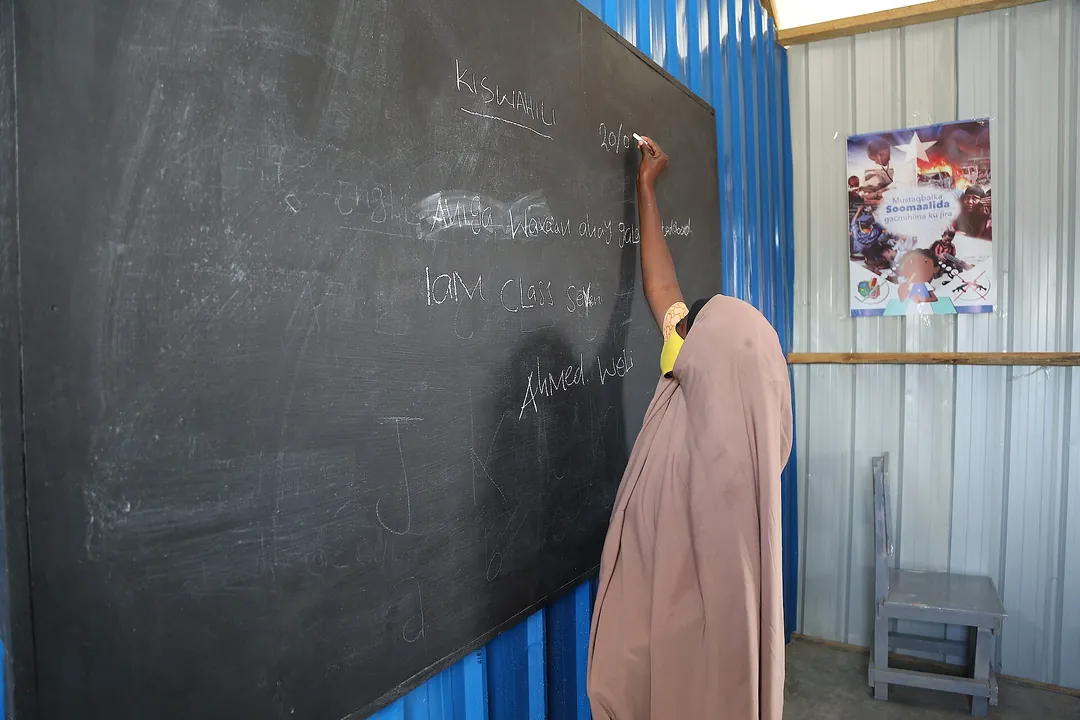
Yet corporal punishment remains widespread. WHO data indicates that 1.2 billion children aged 0-18 experience corporal punishment at home every year. Lifelong, the global occurrence of corporal punishment in schools exceeds 70% in Central America and Africa, with 60% over the past year in the Eastern Mediterranean and South-East Asian regions.
The UK’s uneven legal protection for children
The picture in the United Kingdom is mixed. The Children (Equal Protection from Assault) (Scotland) Act has outlawed corporal punishment in all settings, including the home. Legislation in Wales now no longer allows parents and carers the defence of "reasonable punishment." The result is that children in England and Northern Ireland are the only group legally permitted to be smacked in the UK, whereas adults are fully protected.
The Royal College of Paediatrics and Child Health argues that this leaves children less protected from assault than adults. Reform campaigners describe this as an anomaly, only possible because of the "reasonable punishment" defence.
What “reasonable punishment” means in English law
So what does the law in England actually allow? The Children Act 2004 limits the "reasonable punishment" defence to the "mildest forms of physical discipline, like a tap on the hand or a smack on the bottom." Under Section 58, parents cannot use the defence to justify actual bodily harm, grievous bodily harm, wounding or child cruelty. The defence remains for charges of common assault and only extends to a child experiencing only transient reddening of the skin.
However, that does not mean that parents will not have to face criminal charges if they strike a child. According to an official parliamentary response, only the mildest form of physical punishment can be used as a lawful discipline defence. The Crown Prosecution Service guidance is clear that only the mildest form of physical punishment can be used as a lawful discipline defence.
What the evidence says about outcomes of corporal punishment
But why are states criminalising smacking in the first place, and does it make a difference? According to research, there's a strong case for making smacking illegal. A research narrative report published in The Lancet found that physical punishment from parents is linked to increased externalising, or aggressive, behaviours, and internalising problems like depression and anxiety, as well as worse outcomes for cognitive ability and academic success. Further, meta-analyses have not found evidence that corporal punishment actually improves a child's behaviour.
The WHO explains that, despite the negatives, "the practice of corporal punishment of children is highly prevalent worldwide... physical punishment is often accepted in society and, regrettably, it is commonly used as a method for correcting or changing children's and adolescents' behaviours and/or actions," and "the public health impact of corporal punishment is concerning." WHO estimates that between one quarter and one half of children experience corporal punishment in schools.
Where law reform has led and what parents are told instead
With the legally endorsed striking still permitted in England and Northern Ireland last year, many advocacy groups are pressuring Parliament to repeal the defence.. In the coming weeks and months, MPs will consider an amendment to abolish the defence introduced as an amendment in the House of Lords. The Children's Wellbeing and Schools Bill introduced by Labour in 2024 aimed to prevent physical and emotional punishments in schools and care, but critics say it should have gone further. Crucially, it did not propose to abolish the defence in the home.
Despite being the only part of the UK to have resisted calling for an end to smacking, the UK government says it takes corporal punishment seriously. Crown Prosecution Service guidance is clear that only the mildest form of physical punishment could be considered acceptable. That guidance was later put down on solid footing in parliament. However, it has yet to be codified on the books.
Many other European countries have moved away from smacking or never permitted it at all. Sweden introduced the landmark law prohibiting corporal punishment of children in 1979,
However, legal bans influence public opinion and particularly parental behaviour.