Protection
How to Report Child Abuse in South Africa — and What Happens Next
You do not need proof or certainty to act on suspicions of child abuse. Under section 110 of the Children's Act, professionals and members of the public are expected to report on reasonable suspicion of abuse or neglect.
What this piece covers
You Don’t Need Proof – The Legal Duty to Report
Under the Children's Act, a wide range of professionals, including teachers, healthcare workers, social workers, and ministers of religion must report suspected child abuse or neglect if they have reasonable grounds to do so. [1] The definition of 'reasonable grounds' is purposefully low, offering significant protection to any reasonable suspicion of abuse.
For example, if you are a mandatory reporter and suspect a child has suffered physical, sexual, or emotional abuse, or has been deliberately neglected, you must report. The understanding is that if you believe the harm to the child is likely, you must bring that harm to the attention of the authorities.
The Act states that if you, on reasonable grounds, suspect that a child has suffered physical, sexual, or emotional abuse, or has been deliberately neglected, you must report. [4] The argument here is that it is better to make the report and have it checked out than to wait for more information.
If you are a mandatory reporter and do not report, you could face criminal charges. However, if you are not a mandatory reporter and do not report, you will not face charges. [8] The understanding is that if you believe the harm to the child is likely, you must bring that harm to the attention of the authorities.
Where a Report Goes and Which Form to Use
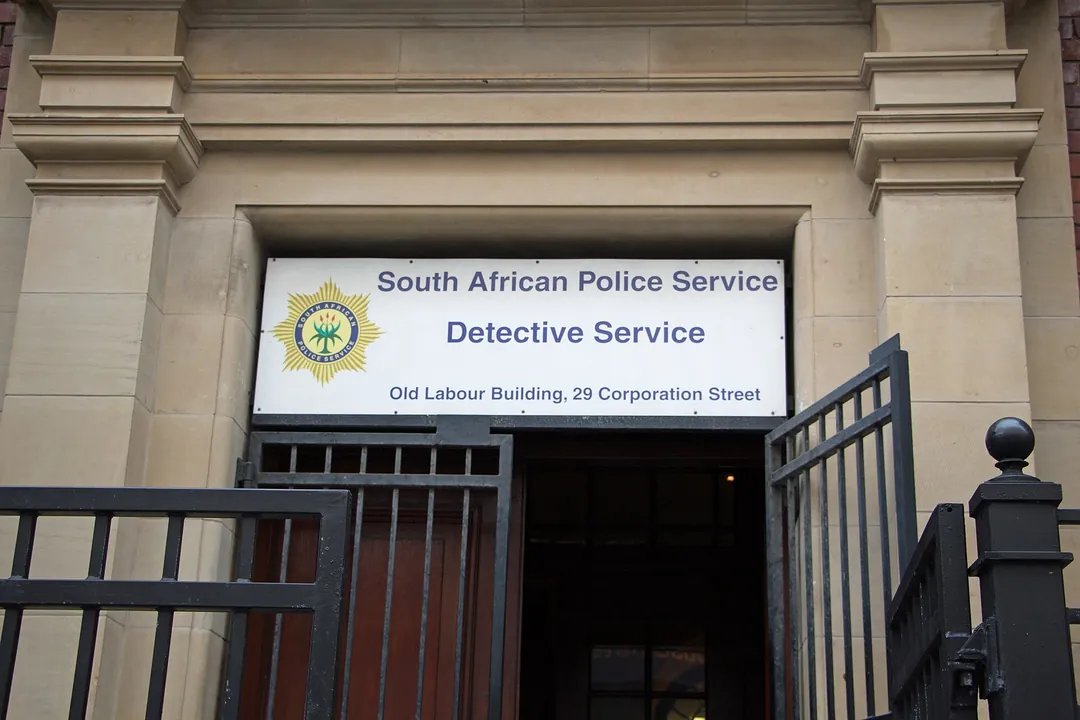
If you are a mandatory reporter, you need to report directly to the authorities by completing Form 22. The form is available from the Department of Health and is required by law. [7] You should take this form to the South African Police Service (SAPS), the DSD, or a child protection organisation (CPO).
Form 22, titled “Reporting of Abuse or Deliberate Neglect of a Child”, captures all the detail that is relevant to the suspected abuse, including the child's identity, the alleged perpetrator, the nature of the abuse, when and where it occurred, and any immediate safety concerns. It also implies that where details are not available, you should still make the report.
Who Must Report – And Who Should
Section 110 of the Children's Act outlines who must report. The list is broad: teachers, social workers, medical practitioners, traditional health practitioners, homeopaths, naturopaths, faith healers, public servants, members of religious orders, and religious leaders. [1] However, over time the list has been expanded to acknowledge that anyone who works with children is also able to report under this section. [8]
If you are not a mandatory reporter, you can still and should still report child abuse. You do not need to be a professional in the field, but you can still report to the best of your ability. [12]
Childline South Africa offers confidential support, counselling, and guidance to people concerned about possible child abuse, including help with making a formal report to authorities. [15]
What You Actually Have to Do – Completing Form 22
You can obtain Form 22 from the Department of Health. The form asks for information, but you do not have to prove the abuse. If you are not sure about some of the information, you should still complete the form to the best of your ability to get the ball rolling.
You can access Form 22 from the Department of Health here:
After completing the form, you can take it directly to the SAPS or your local police station, the nearest DSD office, or a child protection organisation. [14]
After You Report – What Social Services and Child Protection Must Do
Once you have reported, the SAPS, DSD, or child protection organisation must substantiate the report – i.e., investigate and verify the suspicion. [10] However, the Children's Act and available guidance do not specify exact turnaround times or detailed step-by-step procedures within social work investigations. [10]
For example, the investigation phase isn't a uniform process. [10] It can include a police investigation, a DSD investigation, a placement of the child, and criminal charges. The child protection services team will assess the case and determine further legal steps.
The idea is that once a report is made, concerned parties must act on it.
However, the investigation process can vary widely. [14] What is important is the duty of the social services is to substantiate the matter once the report is made.
If You’re Not a Professional – First Steps You Can Take Today
You do not have to be a specific kind of professional, or even work with children, to report abuse. The law also allows any concerned person to report.[15] Police, DSD, or a child support organisation of your choice will do the investigation, it does not fall to you. [12]
So, if you suspect abuse, the best plan of action is to report on your suspicion. You can report by contacting any of the following:
- SAPS (including the emergency number 10111)
- the nearest police station
- a local social worker
- a school principal or teacher
- a clinic
- a child protection organisation such as Childline
Even though you do not have to be a specific kind of professional, or even work with children, to report abuse, you still need to act. The moment you suspect, you must report. The whole goal of the Act is that we do not let the abuse stay hidden.