Protection
Children Without Documents: Why Late Birth Registration Is a Rights Issue
Hazel Ntshangase took her 18-month-old daughter to the nearest Home Affairs office to finally register her birth—something she should have done within the first 30 days. Instead, she faces a complex late birth registration process, further burdening the caregiver.
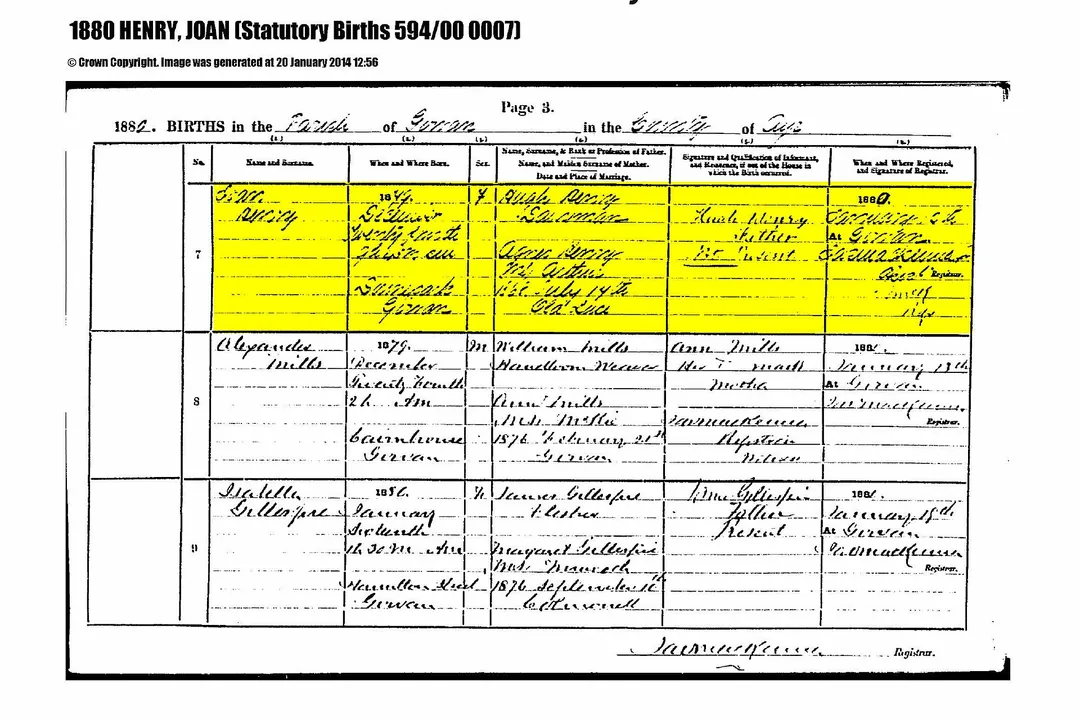
Once the 30-day window for standard birth registration has passed, a longer and more arduous process is triggered: in South Africa, the Late Registration of Birth (LRB) procedure under the Births and Deaths Registration Act 51 of 1992. [11] This procedure requires the child and a parent/caregiver to appear in person at a Home Affairs "live capture" office, where the child has to have their biometrics recorded, and the parent must complete several forms, including a sworn affidavit explaining why registration was late. [8]
When a Child’s Birth Isn’t Registered on Time
A birth that is not registered within 30 days becomes a "late registration" and is treated differently across the world. The South African government sets a 30-day limit for standard birth registration, after which births are processed as late registrations requiring more documentation. [11] [8] This practice of having a time limit for the birth registration is seen around the globe. The 19th Congress of the Philippines states that a birth certificate “should be registered within thirty (30) days” after the birth. [14] Similarly, in Hong Kong, births must be registered within 42 days, with a registration fee charged for late registrations within a year. [7] In Virginia, US, applications for delayed birth registration must be made to the State Registrar, if more than seven years have passed since the birth. [15]
The Practical Barrier: What Late Registration Requires from Caregivers
When a child hasn't been registered on time, caregivers face a challenging set of practical hurdles to prove the child's birth and identity as part of the late registration process.
In South Africa, the Home Affairs department requires a stack of documents to establish the facts: a DHA 24/LRB notice of birth for late registration, a proof of birth at the health facility (DHA 24/PB) or affidavit for births at home (DHA 24/PBA), [9] an affidavit detailing the reasons for the late registration, the child’s biometrics (palm, foot or fingerprint), the fingerprints of the parent(s), and certified copies of the parents’ identity documents or passports. Guidance from the Centre for Child Law (2024) warns that missing even one document can lead to a rejected application or a drawn-out process, putting documents out of reach for many caregivers. Caregivers must gather all the paperwork and then visit a physical Home Affairs office, where a barcoded form (DHA 24/LRB) must be collected and completed using black ink and block letters. Orientations by the Scalabrini Centre of Cape Town (2023) explain that once the forms are submitted, Home Affairs may need to verify the birth with the hospital, and may also conduct an in-person interview with the parent to get more information about the reasons for the late registration. [5]
Routes Back to Documentation: Step-by-Step for Late Registration
In the eyes of the South African government, any birth that is not registered within 30 days is treated as a "late registration of birth" [11] which means going through extra steps to prove the child is whom they say they are. For a caregiver navigating this system, the route back starts with visiting the nearest Home Affairs office and explicitly requesting a LRB. They will need to fill out a form (DHA 24/LRB), provide proof of the birth, and submit an affidavit explaining why the registration was late. [3]
After submission, the child have their biometrics (palm, foot or fingerprint) scanned. A caseworker verifies the information and may interview the caregiver. [5]
For children born in a health facility, a proof of birth form (DHA 24/PB) is required; children born at home need an affidavit from a witness (DHA 24/PBA).[9]
If the application requires review, a result may take up to six months. That is, if at least one family member—and presumably the child, if young enough—can keep the appointment. [13]
The certificate is also connected to accessing services such as the Child Support Grant.
The Official Takeaway
A birth certificate opens up a child's eligibility for future identity documents, but it is the subject of a complex process, in which Home Affairs may require the most details, for the longest period, if registered late.
Early registration is about more than convenience: there are serious issues at stake for caregivers who miss the deadline.
[In the Philippines, births should be registered within 30 days] [In Hong Kong, late registration within a year attracts a fee]